
Why does quarantine mean 40 days?
Short answer
Quarantine comes from the Italian quaranta, meaning forty. During the plague, Mediterranean ports made travelers from infected places wait in isolation before entering. Ragusa (today's Dubrovnik) began in 1377 with a one-month wait; later, 40 days became the standard, notably in Venice. The word kept the number even though modern quarantines are set by incubation periods.
Published · Last verified · 11 sources
Playing loads the video from YouTube (Google), which may set cookies.
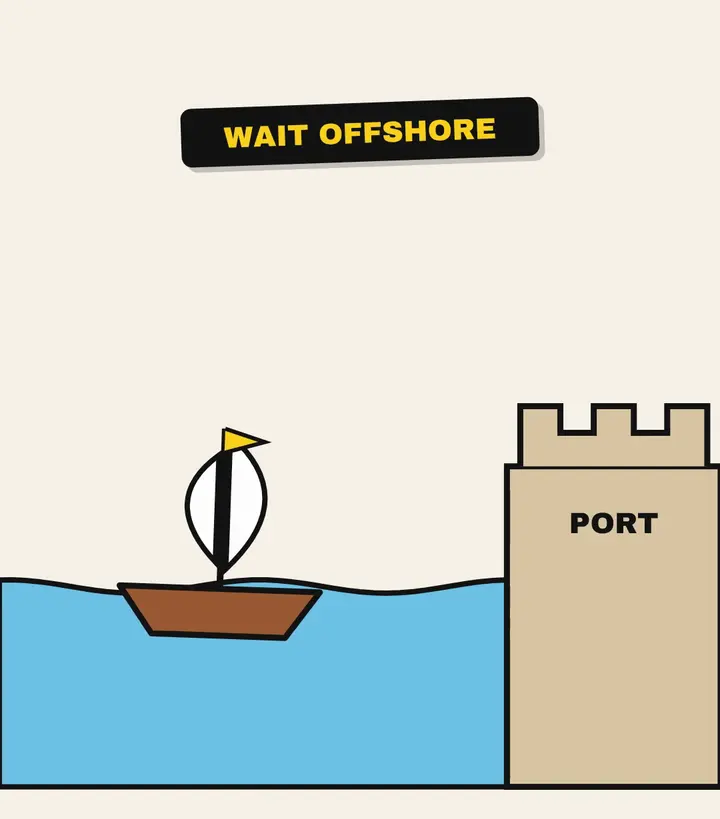
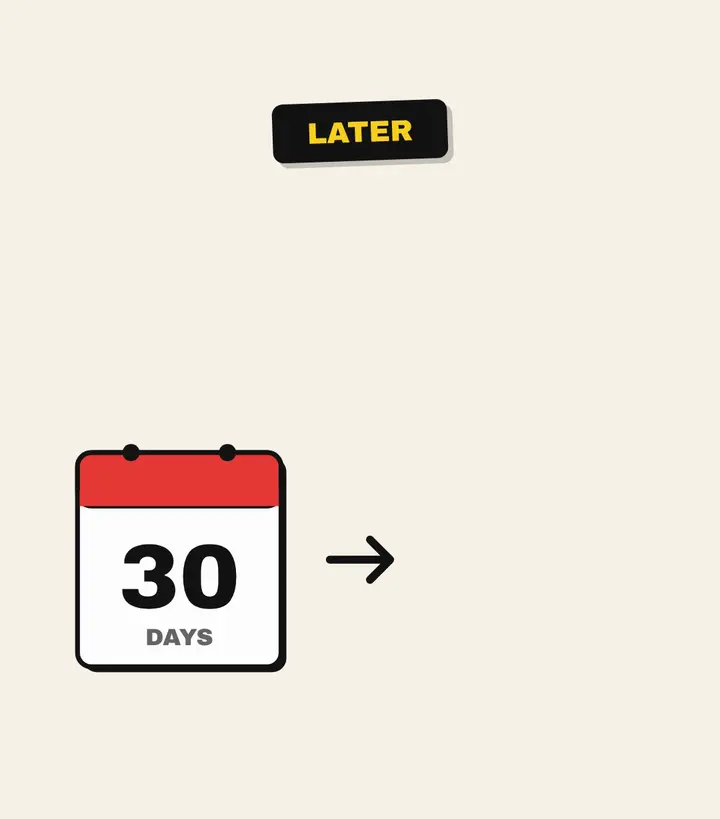
The "quarant" in quarantine is the Italian number quaranta, forty. The word comes from the rule, used by Mediterranean ports in the plague years, that a ship from an infected place had to sit at anchor for 40 days before anyone aboard could land [6]. The odd part is that the oldest known quarantine law, passed in Ragusa (now Dubrovnik) on 27 July 1377, didn't ask for forty days at all. It asked for a month [1] [3].
What did the 1377 law actually say?
Ragusa's Great Council wrote the decision into the city's book of laws, the Liber viridis or Green Book, under the heading Veniens de locis pestiferis non intret Ragusium vel districtum: whoever comes from plague-stricken places shall not enter Ragusa or its territory. The State Archives in Dubrovnik, which still hold the book, sum up what it required: the crew and cargo of every ship arriving from an infected area had to spend a month on one of three islets off the city, Supetar, Mrkan or Bobara [1].
It wasn't a unanimous decision. According to historians Zlata Blažina Tomić and Vesna Blažina, 34 of the 47 councillors voted for it. A second rule, passed by 44 votes, banned residents from visiting the people in isolation, and anyone who brought them food without permission had to stay out there for a month as well [11]. In 1390 the city went further and set up a permanent health office to enforce the rules [11].
Why send people to islands instead of simply closing the port? The archive contrasts Ragusa with Venice, which in times of plague banned all ships from its lagoon, and with the Duchy of Milan, which shut the sick inside their own houses [1]. Ragusa lived on trade, and cutting itself off wasn't an option [11]. Gensini and colleagues make the same point: the 30 to 40 days of isolation were imposed for economic reasons as much as medical ones, to keep the trade network safe from the Black Death [2].
That first, shorter period is often called the trentino or trentina, from trenta, thirty [4] [2].
When did the wait become forty days?
By the 15th century, forty days was the figure that stuck. Venice opened its first permanent plague hospital, or lazaretto, in 1423 on the island of Santa Maria di Nazareth [3]. In 1468 it added a second island, the Lazzaretto Nuovo, near the harbour mouth at the Lido. People, goods and boats from places suspected of plague had to spend forty days there before they could enter the city [10]. The CDC's history of port health puts it simply: ships arriving in Venice from infected ports had to wait at anchor for 40 days before landing [6].
Ragusa, 1377
Venice, 1468
In practice, the number was never fixed. Cities used periods anywhere from eight to 80 days [11]. Even in Dubrovnik's big 17th-century lazaretto at Ploče, travellers stayed between 7 and 40 days, depending on where they came from and how bad the plague was there at the time [1].
Why forty, and not thirty or fifty?
Nobody knows for certain. "It is not known why 40 days was chosen," writes Eugenia Tognotti, a historian of medicine, and she lists the main ideas [3]:
- Medicine. Hippocratic teaching held that an acute illness shows itself within forty days. A disease that appeared after that was chronic, so by that reasoning it couldn't be plague [2].
- Numbers. The Pythagorean theory of numbers gave special weight to the number 4 [3].
- Scripture. Forty days runs all through the Bible: the rain of the Flood, Moses on Mount Sinai, Jesus fasting in the desert [5]. The Emerging Infectious Diseases note suggests the longer wait may have worked better, or may have been "just a nod" to these stories [4].
- Bad air. Forty days was believed to be long enough for the "pestilential miasma" to clear from people and goods through isolation, fumigation and disinfection [3].
Whatever the reason, it gave a wide safety margin. Forty days was longer than the incubation period of plague, long enough for infected fleas and the plague bacterium itself to die off [3].
How did the word get into English?
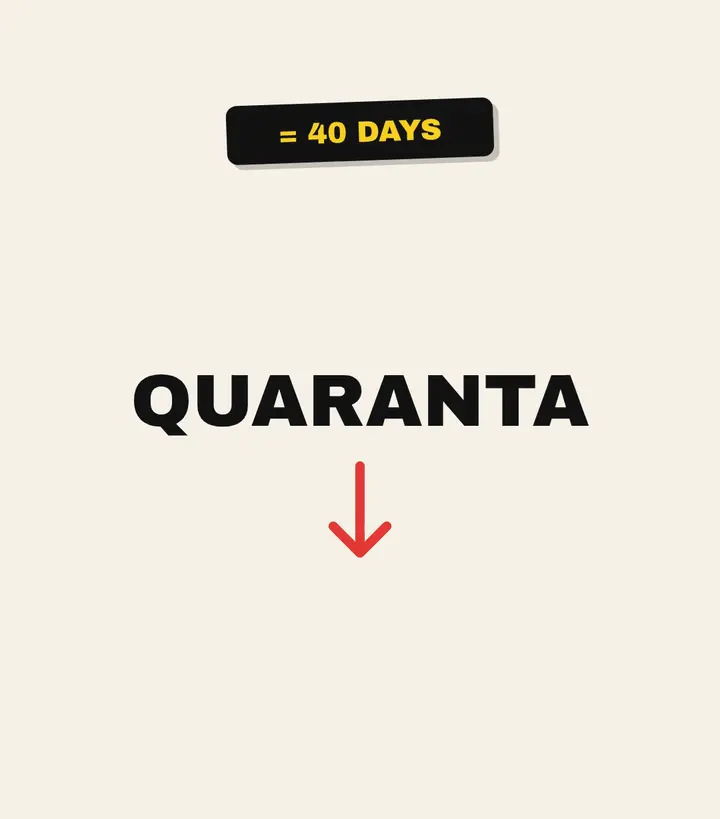
The Italian is quarantena, from quaranta, forty, which goes back to the Latin quadraginta. Merriam-Webster says the English word also borrowed partly from the French quarantaine, from quarante, also forty [8]. Dictionaries don't agree on when the shipping sense arrived: Merriam-Webster dates its first known use to 1617 [8], Etymonline to the 1660s. Etymonline dates the wider meaning, "any period of forced isolation," to the 1670s [7].
1215
Magna Carta lets a widow stay in her husband's house for forty days after his death [9].1377
On 27 July, Ragusa's Great Council orders arrivals from plague areas to spend a month on nearby islets [1].1390
Ragusa sets up a permanent health office to enforce its plague rules [11].1423
Venice opens its first permanent plague hospital on Santa Maria di Nazareth [3].1468
Venice's Lazzaretto Nuovo starts holding people and goods for forty days [10].1476
A leprosy hospital in Marseille is turned into a lazaretto [3].1520s
"Quarantine" appears in English for a widow's forty days [7].1617
Merriam-Webster's first known use of the word for a ship kept away from shore [8].1878
Yellow fever outbreaks push the U.S. Congress to pass federal quarantine legislation [6].
How long is a quarantine today?
As long as the disease needs, and almost never forty days. Today the length is set by how long a disease can incubate. During the 2003 SARS outbreak, for example, quarantine was 10 days, because the incubation period was 2 to 9 days [2]. The word also means something more specific now: quarantine separates people who seem healthy but may have been exposed, while isolation separates people who are already sick [4].
The number dropped out of the rules, but it stayed in the word. It's a bit like the small pocket on your jeans, which was made for a pocket watch and stayed after the watches moved to wrists. Even the CDC has moved on: its port health stations, it notes, "previously were known as quarantine stations" [6].
Sources
- 1.Summary inventory of the Lazaretto Administration fonds, 1814–1873 (PDF, in Croatian). State Archives in Dubrovnik (Državni arhiv u Dubrovniku)Primary. Accessed October 8, 2026.
- 2.The concept of quarantine in history: from plague to SARS (Gensini, Yacoub and Conti, 2004). Journal of Infection, via PubMed Central. Accessed October 8, 2026.
- 3.Lessons from the History of Quarantine, from Plague to Influenza A (Tognotti, 2013). Emerging Infectious Diseases (CDC). Accessed October 8, 2026.
- 4.Etymologia: Quarantine (2013). Emerging Infectious Diseases (CDC), via PubMed Central. Accessed October 8, 2026.
- 5.Learning from the past in the COVID-19 era: rediscovery of quarantine (Bassareo et al., 2020). Postgraduate Medical Journal, via PubMed Central. Accessed October 8, 2026.
- 6.History of Port Health. U.S. Centers for Disease Control and PreventionPrimary. Accessed October 8, 2026.
- 7.quarantine (n.), archived copy. Online Etymology Dictionary, via the Internet Archive. Accessed October 8, 2026.
- 8.Quarantine (dictionary entry), archived copy. Merriam-Webster, via the Internet Archive. Accessed October 8, 2026.
- 9.Magna Carta 1215, Clause 7. The Magna Carta Project (University of East Anglia)Primary. Accessed October 8, 2026.
- 10.The quarantine: an intuition of the fifteenth century that put Venice at the forefront. 1600Venezia (Venice 1600th anniversary programme). Accessed October 8, 2026.
- 11.The Medieval Origins of Quarantine. Medievalists.net. Accessed October 8, 2026.
Last verified: . Spotted an error? See our editorial policy and corrections.
Video transcript
Forty. That's the number hidden inside the word "quarantine." In the 1300s, as plague swept through Europe, port cities started making arriving ships wait offshore before anyone could come ashore. Ragusa, today's Dubrovnik, started with thirty days. Later, the wait was stretched to forty. In Italian, forty days is "quaranta giorni," and that waiting period gave us the word. So every time you say "quarantine," you're really saying


